
Free Roof Maintenance Guide – For West Cumbria & Lake District Homes
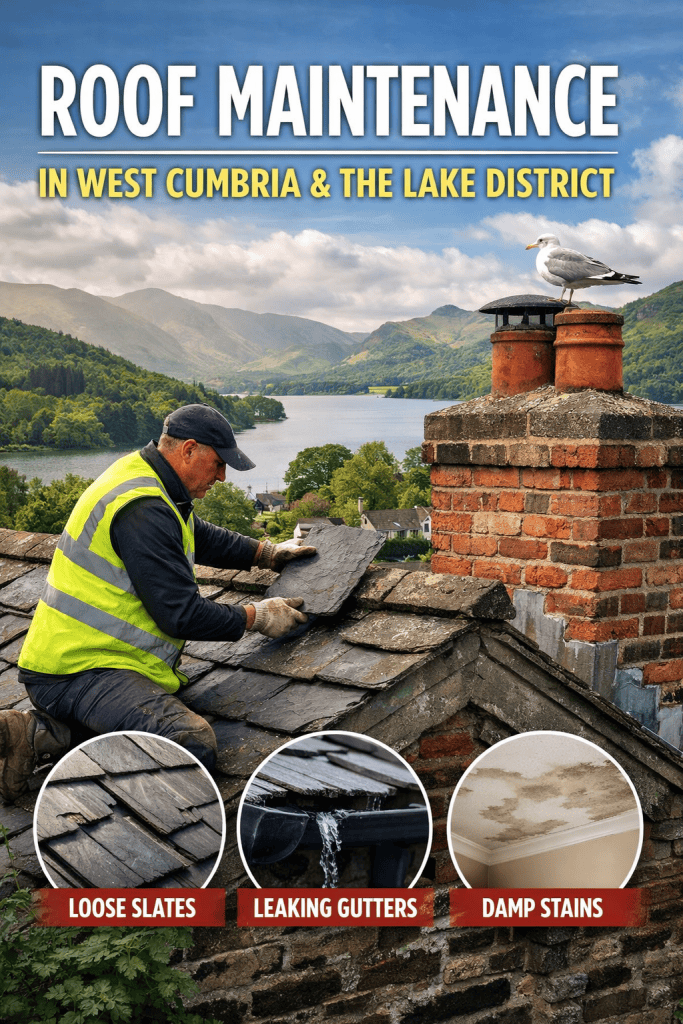
Protect Your Roof Before Problems Start
Looking after your roof properly can help prevent small problems from turning into more serious and expensive repairs. Miller’s Roofing Services Limited has created this roof maintenance guide to help homeowners across West Cumbria and the Lake District spot early warning signs, understand common roofing issues, and know when it is time to arrange a professional inspection.
Properties in West Cumbria and the Lake District are regularly exposed to heavy rainfall, strong winds, storms and changing weather conditions. Over time, this can affect slates, tiles, flashing, ridge details, guttering and other parts of the roof.
If you live in Whitehaven, Seascale, Gosforth, Ravenglass, Holmrook, Drigg, Beckermet, Egremont, Keswick, Ambleside, Windermere, Grasmere or surrounding areas, regular roof checks can help protect your home from leaks, damp and more serious damage.
If you would like your roof inspected professionally, we carry out site visits before providing a written quote so we can assess the condition properly and recommend the most suitable work.
Call 01228 592996 to arrange a roof inspection.
Important Safety Advice
Any roof checks mentioned in this guide should only be carried out safely from ground level or inside the loft where appropriate. Never climb onto the roof yourself. Wet surfaces, storm damage and loose materials can make roofs extremely dangerous.
Contact the Cumbria Roofing Experts Today
Protect your home with expert roofing services. From repairs to installations, we’ve got you covered. Call us now for a free, no-obligation quote and ensure your roof is built to last.
Why Roof Maintenance Matters
Most roofing problems do not start as major defects. In many cases, the first issue is something small, such as a slipped slate, a cracked tile, loose flashing, blocked guttering or minor storm damage.
If these issues are left unnoticed or ignored, they can allow water into the property and lead to internal damage, damp patches, stained ceilings, rotten timbers and more costly repair work later.
Regular roof maintenance and early inspections can help reduce the risk of larger problems and make it easier to deal with defects before they become more serious.
How Often Should You Check Your Roof?
As a general guide, homeowners should check for visible roof issues at least twice a year, ideally in spring and autumn, and also after periods of severe weather or strong winds.
Older slate roofs and exposed properties in West Cumbria and the Lake District often need particularly careful observation after storms and prolonged bad weather, as even minor movement in slates or flashing can allow water ingress over time.
Roof Inspection Checklist for Homeowners
Roof Inspection Checklist for Homeowners
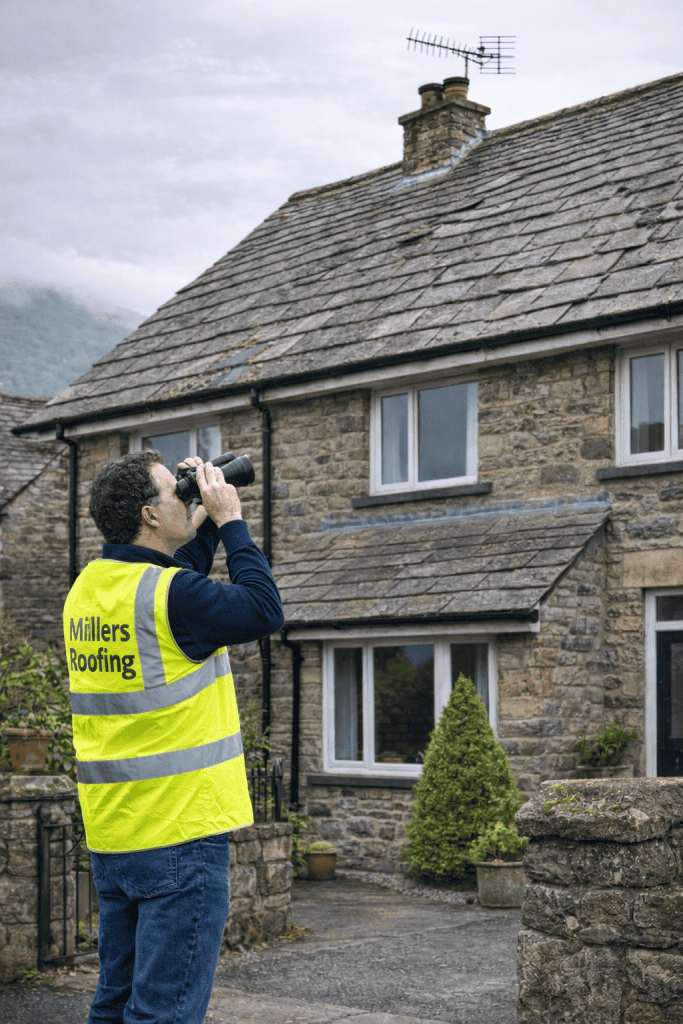
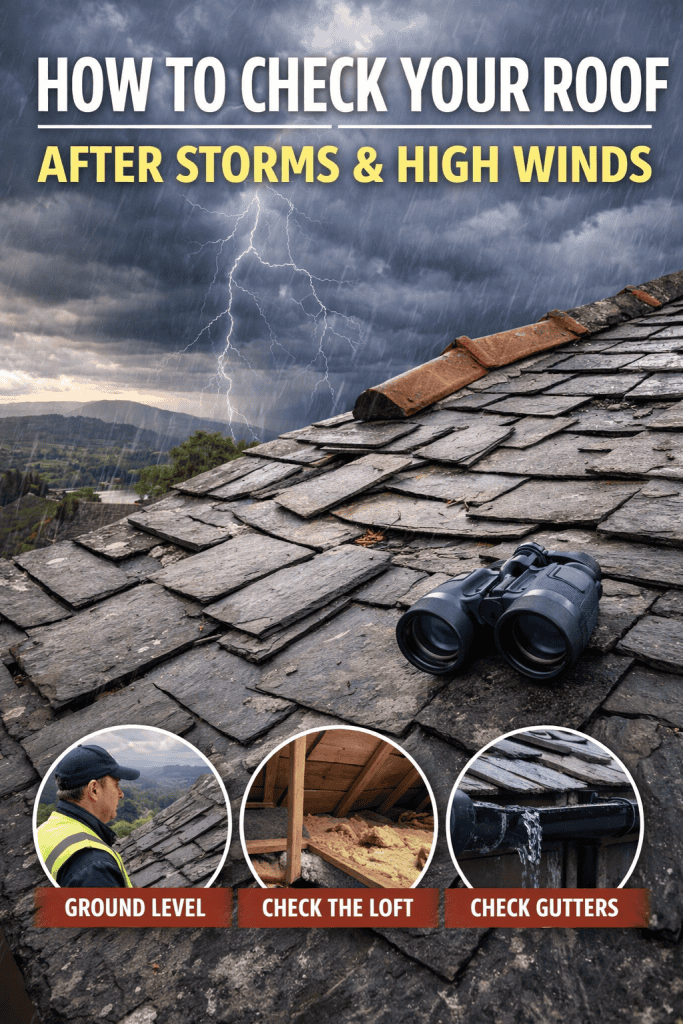
From a safe position on the ground, look for visible signs such as:
- Slipped or missing slates
- Cracked or broken roof tiles
- Uneven or disturbed ridge tiles
- Loose or lifted flashing
- Sagging areas
- Moss build-up
- Debris collecting on the roof
- Anything that looks out of place after storms
Binoculars can help you inspect the roof more safely from below.
Check Inside the Loft
The loft space can often reveal the earliest signs of a roofing problem. Look for:
- Damp insulation
- Water staining on timbers
- Daylight coming through the roof
- Musty smells
- Signs of condensation
- Damp patches around roof junctions
These can all suggest that moisture is getting in or that the roof is not performing as it should.
Check Gutters and Downpipes
Guttering plays an important role in moving rainwater away from the property. Look out for:
- Overflowing guttering
- Leaks at joints
- Sagging gutter runs
- Blocked downpipes
- Moss, leaves or debris build-up
- Water running down outside walls

Signs Your Roof May Need Attention
Roof problems do not always start with a major leak. In many cases, the early warning signs are smaller and easier to miss. Spotting them early can help prevent more serious damage and more expensive repair work later.
Signs your roof may need attention include:
- Slipped or missing slates
- Cracked or broken tiles
- Loose ridge tiles
- Damaged or lifted flashing
- Water stains on ceilings or walls
- Damp smells in the loft
- Overflowing or leaking guttering
- Moss or debris build-up
- Bits of mortar on the ground
- Damp patches appearing after heavy rain
- Daylight visible in the loft
If you notice any of these signs, it is a good idea to arrange a professional roof inspection before the problem worsens.
Common Roofing Problems in West Cumbria and the Lake District
Homes across West Cumbria and the Lake District are often exposed to conditions that can speed up roof wear and increase the risk of storm-related damage.
Common roofing problems we see include:
- Slipped Cumbrian slates
- Cracked roof tiles
- Ridge tiles loosened by wind
- Damaged flashing
- Worn verge mortar
- Gutter brackets pulled loose
- Leaks around chimneys or roof junctions
- Water penetration into loft spaces
Properties in exposed areas such as Whitehaven, Seascale, Gosforth, Ravenglass, Keswick, Ambleside and Windermere can be especially vulnerable to strong winds, prolonged rainfall and general weather-related wear.
What to Do After a Storm or High Winds
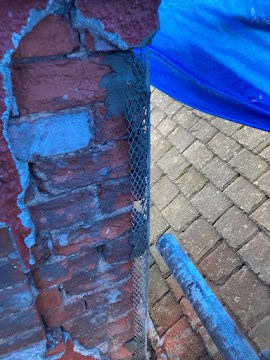
After strong winds or bad weather, it is important to check for signs of roof damage as soon as it is safe to do so. Even if the roof looks mostly intact from the ground, storm damage can still cause slipped slates, loose flashing, damaged ridge tiles or guttering problems that may later lead to leaks.
If your property has been exposed to a storm or high winds, follow these steps:
1. Check the Roof from Ground Level Only
Walk around the property and look up from a safe position. Check for missing slates, displaced tiles, loose ridge tiles, damaged flashing, fallen debris or any part of the roofline that looks out of place.
2. Check Gutters, Fascias and Downpipes
Strong winds and heavy rain can affect guttering and roofline products. Look for gutters pulling away, sagging sections, leaks or overflowing water.
3. Check the Loft Space
Go into the loft and look for signs such as damp insulation, water staining, drips, musty smells or daylight coming through the roof.
4. Move Items Away from Leaks
If water is entering the property, move furniture, valuables and electrical items away from the affected area if it is safe to do so.
5. Use Containers to Catch Water
Place buckets, bowls or towels under any active drips to help reduce internal damage.
6. Take Photos
If you can safely see signs of damage from the ground or inside the property, take clear photos. These may be useful if you need evidence later for insurance or repair records.
7. Arrange a Professional Roof Inspection
Do not ignore small signs of storm damage. Even a slipped slate or small flashing defect can allow water in over time. A professional inspection can help identify the problem properly and recommend the right repair work.
Emergency Roof Leak Advice
If your roof starts leaking, acting quickly can help reduce damage inside the property.
If you have an emergency roof leak:
- Stay off the roof
- Move furniture and valuables away from the affected area
- Place containers under drips
- Use towels to help protect flooring
- Take photos of the damage if needed
- Make a note of when the leak happens, especially during heavy rain or wind
- Arrange a professional roof inspection as soon as possible
Even a small leak can lead to damaged ceilings, plaster, insulation and timbers if it is left unresolved
Storm and Insurance Advice
If your roof has been damaged by a storm, good records can be helpful.
After storm damage:
- Take clear photos from the ground or inside the loft if safe
- Make a note of when the storm happened
- Record when you first noticed the damage or leak
- Keep copies of any written findings or quotations
- Avoid throwing away visibly damaged materials too quickly
- Arrange a professional inspection so the condition can be assessed properly
This can help you keep a clear record of the issue and the recommended repair work.
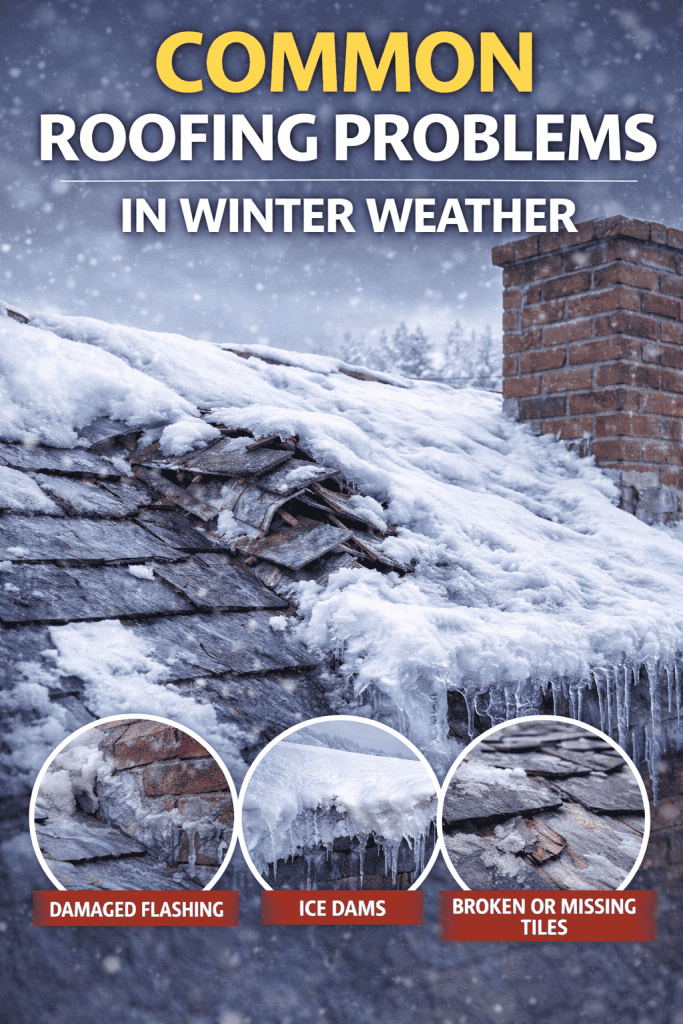
Seasonal Roof Maintenance Checklist
Regular seasonal checks can help you spot problems earlier and keep the roof in better condition throughout the year.
Spring
Spring is a good time to check for damage caused by winter weather.
Look for:
- Slipped slates or tiles
- Ridge tile movement
- Damaged flashing
- Guttering problems
- Signs of leaks in the loft
Summer
Summer is a useful time for general visual maintenance checks.
Look for:
- Worn roof areas
- Moss build-up
- Gutter alignment issues
- Deterioration around roofline products
- Areas that may need attention before autumn and winter
Autumn
Autumn is one of the most important times for roof maintenance.
Look for:
- Leaves and debris in gutters
- Blocked downpipes
- Slipped slates after windy weather
- Overflowing rainwater during heavy rain
- Signs of damp indoors as wetter weather returns
Winter
Winter weather can expose weaknesses in the roof very quickly.
Watch out for:
- Leaks after storms
- Wind damage
- Water staining on ceilings
- Damp smells in loft spaces
- Guttering problems caused by prolonged rainfall
How Blocked Gutters Can Lead to Bigger Problems
Blocked gutters are one of the most overlooked causes of roofing and damp-related issues. If rainwater cannot drain away properly, it can overflow onto walls, soffits, fascias and other parts of the property.
Over time, this can contribute to:
- Damp patches internally
- Staining on outside walls
- Water damage around roof edges
- Increased wear to fascias and soffits
- Leaks where water is repeatedly backing up
In areas with trees, wind-blown debris and frequent rainfall, regular gutter checks are especially important.
Why Small Roof Defects Get Worse Over Time
A slipped slate, cracked tile or small flashing defect may not seem urgent at first, but roofing problems rarely improve on their own.
Once water starts getting into a roof, it can lead to:
- Damp insulation
- Ceiling staining
- Damaged plaster
- Timber deterioration
- Rotting roof battens
- More widespread repair work
Catching a small issue early can often help avoid more serious internal and structural damage later.
Roof Maintenance Mistakes to Avoid
Many roofing problems become worse because they are left too long or approached the wrong way.
Common roof maintenance mistakes include:
- Ignoring a small leak
- Leaving slipped slates unrepaired
- Forgetting to check the loft
- Leaving gutters blocked for months
- Assuming damp is always caused by condensation
- Waiting until internal damage becomes obvious
- Trying to climb onto the roof yourself
- Putting off repairs after a storm
Dealing with problems early is usually the safest and most cost-effective approach.

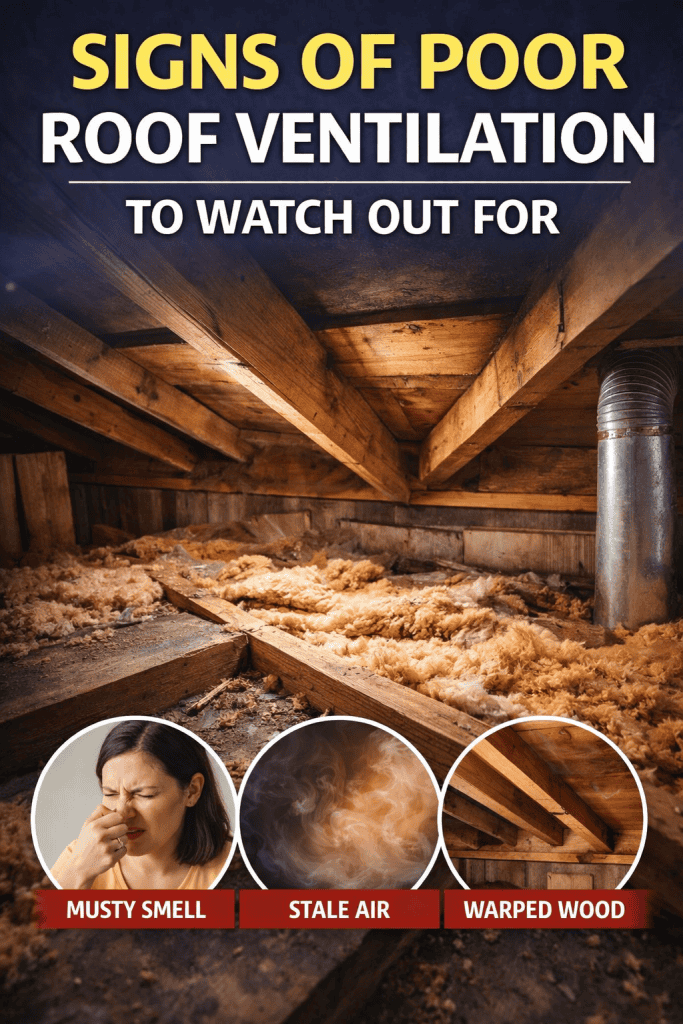
Signs That Damp May Be Linked to the Roof
Many homeowners first notice a roofing problem because they see signs of damp inside the home.
Possible warning signs include:
- Musty smells
- Damp patches on ceilings or walls
- Peeling paint or wallpaper
- Black mould
- Cold or clammy walls
- Rotten timber
- White salt deposits on masonry
- Water staining after rainfall
If you notice these signs, it is worth having the roof and the wider property checked properly so the likely cause can be identified.
Example of a Common Local Roof Problem
After periods of strong wind and heavy rain, it is common for homeowners in exposed parts of West Cumbria and the Lake District to notice slipped slates, leaking gutters or damp patches in the loft. In many cases, the issue started as a relatively small defect that became worse over time because water was allowed to keep getting in.
This is why early inspection matters. A small roofing issue dealt with promptly is often far easier and less costly to resolve than a long-standing problem that has already caused internal damage.
When to Arrange a Professional Roof Inspection
You should arrange a roof inspection if:
- You can see slipped slates or cracked tiles
- The roof has been exposed to recent storms
- You have noticed internal damp or staining
- Guttering is leaking or overflowing
- The roof is ageing and has not been checked for some time
- You are unsure whether a visible problem is minor or more serious
- A leak keeps returning
- There are signs of water entering the loft
At Miller’s Roofing Services Limited, we inspect the roof before providing a written quote so we can assess the condition properly and recommend the most suitable work.
Many damp problems originate from roof defects or storm damage.
If you notice signs of damp inside your property contact Millers Roofing Services Limited for professional advice. We are both roofing and damp specialists.
We offer professional inspections and fully written quotations throughout West Cumbria and the Lake District.
Frequently Asked Questions About Roof Maintenance
How often should I check my roof?
It is a good idea to check for visible roof issues at least twice a year, usually in spring and autumn, and also after severe weather.
What should I do after high winds or storm damage?
Check the roof from ground level only, look for visible damage, check the loft for damp or staining, move items away from leaks indoors, and arrange a professional roof inspection as soon as possible.
Can blocked gutters cause damp?
Yes. Blocked or overflowing gutters can allow water to run down walls and roof edges, which may contribute to damp problems and external water damage.
How do I know if a roof leak is serious?
Any roof leak should be taken seriously. Even small leaks can lead to damage to ceilings, plaster, insulation and timbers if they are left unresolved.
Should I climb onto the roof to inspect storm damage?
No. Roof inspections after storms should always be carried out from ground level only. Climbing onto the roof can be dangerous.
Do you inspect roofs before providing a quote?
Yes. We always carry out a roof inspection or site visit before providing a written quote.


Why Choose Miller’s?
- Local Expertise: As a Cumbria-based company, we know the unique challenges that the region’s weather can pose to your roof. Our team is equipped to handle these conditions, ensuring your roof is prepared for anything.
- Quality Craftsmanship: We take pride in delivering top-notch workmanship, using only the highest-quality materials to ensure your roof stands the test of time.
- Customer Satisfaction: Our job isn’t complete until you are completely satisfied. We have earned the trust of our clients by consistently delivering on our promises.
- Affordable Pricing: We believe in fair, transparent pricing. Our services are competitively priced without compromising on quality.
- Trusted by: Homeowners, businesses, councils and community buildings
- Registered in England and Wales: Company No: 09971337 VAT No: GB 231 7620 31
You can count on Miller’s Roofing, trusted by homeowners across West Cumbria & The Lake District for reliable, long-term solutions.
Areas This Guide Is Especially Relevant To
This roof maintenance advice is especially useful for homeowners in exposed parts of West Cumbria and the Lake District, including areas such as:
- Whitehaven
- Egremont
- Seascale
- Gosforth
- Ravenglass
- Holmrook
- Drigg
- Beckermet
- St Bees
- Keswick
- Ambleside
- Windermere
- Grasmere
- Boot
- Wasdale
Properties in these areas can be particularly exposed to wind, rain and changing weather conditions, making regular roof checks even more important.

Need a Roof Inspection?
If you have noticed signs of damage, damp or wear, or you would like peace of mind about the condition of your roof, contact Miller’s Roofing Services Limited today.
We carry out roof inspections before providing a written quote, and we aim to give homeowners clear, honest advice about the most suitable next step
Official website of Miller’s Roofing Services Limited
- Fully insured company
- Qualified tradesmen
- No pushy salesmen
- All quotes are free
- 30+ years of experience
- Competitive prices
All information shared with Miller’s Roofing Services Limited is kept safe and secure.
Customer Reviews
We take pride in delivering top quality roofing services to homes and businesses across Cumbria and the Lake District, but don’t just take our word for it – see what our satisfied customers have to say about their experience working with us.
Your feedback is important to Millers Roofing Services Limited Cumbria, Please consider leaving us a review.